
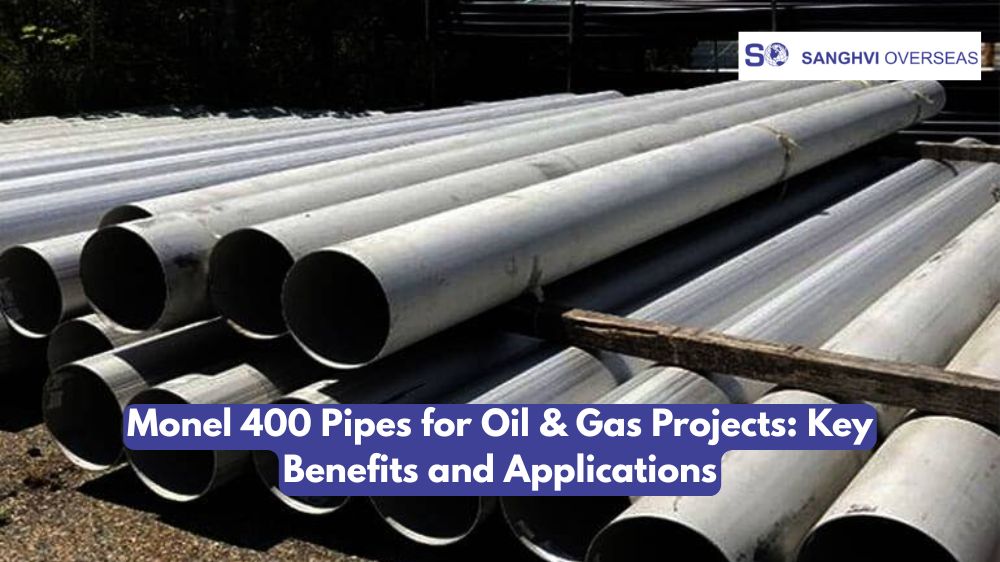
Oil and gas pipelines work under constant stress. They face high pressure, saltwater, sour gas, and corrosive fluids every day. Over time, these conditions can weaken standard materials and raise safety risks. This is why nickel-based alloys are often preferred for critical piping systems. Monel 400 Pipes offer a strong balance of corrosion resistance, and mechanical strength for such demanding use. They perform better than carbon steel and ordinary stainless grades due to its nickel-copper alloy construction. In this blog, we’ll discuss why Monel 400 is trusted in oil and gas projects. We discuss its features, significant benefits, common applications, and how to select the best source. We also compare it to stainless steel and Inconel so you can make informed material choices.
What Is Monel 400?
Monel 400 is a nickel-copper alloy known for its strength, and corrosion resistance. It contains high nickel content with copper as the main alloying element. This composition gives it excellent resistance to seawater, acids, and alkalis. The alloy stays stable under both low and high temperatures. It also maintains good mechanical strength without becoming brittle. Because of these traits, Monel 400 performs well in harsh oil and gas environments. Compared to other steels, it is more resistant to erosion, stress corrosion, and cracking. It is a reliable option for pressure systems, valves and pipelines due to these features.
Key Properties of Monel 400 Pipes
Monel 400 pipes combine strength and durability with strong corrosion resistance. These properties support safe operation in demanding oil and gas conditions.
- High tensile and yield strength: Even under extreme physical strain, the material maintains its toughness. In deep-water conditions where the seawater pressure tries to crush the equipment, as it can maintain its shape.
- Excellent resistance to corrosion and erosion: Sand and fluids moving at high speeds can wear down most metals. Monel 400 resists this washing away effect, keeping the pipe walls thick, and secure for years.
- Performance in sour gas and saltwater environments: Sour gas contains hydrogen sulfide which causes most metals to break down. This alloy is resistant to that kind of stress breaking, which makes it ideal for offshore drilling.
- Stability at elevated temperatures: While other alloys lose its strength when heated, monel 400 remains stable. It works well in manufacturing plants, where heat is a constant part of the process.
Advantages of Using Monel 400 Pipes in Oil & Gas
Choosing the right metal upfront saves a lot of headaches later during the production phase.
Long service life in harsh operating conditions: Because these pipes do not rust easily, they stay in the ground or under the sea much longer. This means you won’t have to dig them up or replace them every few years.
- Reduced risk of leakage and failure: A leak in an oil line is a disaster for the environment and the budget. The high integrity of this alloy ensures the fluids stay inside the pipe where they belong.
- Low maintenance requirements: You don’t need to apply as many protective coatings or perform frequent inspections. Once installed, these pipes generally take care of themselves, saving labour costs.
- Cost-effectiveness over the long term: The initial price might be higher than carbon steel, but the lack of repairs makes it cheaper. You save money by avoiding shutdowns and emergency fixes.
Applications of Monel 400 Pipes in Oil & Gas Projects
Monel 400 pipes are used across many oil and gas systems. They suit both offshore and onshore operations.
- Offshore drilling platforms: The splash zone of a rig is a nightmare for metal because of the oxygen and salt. Monel 400 is used here for piping and cladding to prevent rapid rusting.
- Subsea pipelines: When pipes sit on the ocean floor, they must handle extreme pressure and cold. These pipes provide the structural safety needed for deep-sea transport lines.
- Refineries and petrochemical plants: Refining involves acids and high-heat reactions that destroy basic steel. Monel pipes carry these volatile fluids through the plant without reacting or corroding.
- Heat exchangers and condensers: Efficient heat transfer is essential in oil processing. These pipes provide excellent thermal conductivity while preventing the accumulation of scales and dirt.
- Pump and valve systems: Moving parts need to stay smooth and functional. To prevent rust-related system breakdowns, this alloy is used in the pipes around pumps.
Specifications and Standards for Monel 400 Pipes
Monel 400 pipes are produced under strict industry standards. Common specifications include ASTM B165 and ASME SB165. These standards define chemical composition and mechanical limits. Pipes are made with controlled dimensions and pressure ratings. Each product undergoes testing for strength, corrosion resistance, and surface quality. Certifications confirm compliance with quality systems and material traceability. Working with a certified Monel 400 Pipe manufacturer ensures a reliable supply and consistent performance. Proper standards protect both equipment and personnel in critical oil and gas operations.
Comparing Monel 400 Pipes with Stainless Steel and Inconel
Each material has its place, but they perform very differently when the pressure is on.
- Corrosion resistance comparison: Monel 400 Pipes beat stainless steel in saltwater every time. While Inconel is better for extreme acids, Monel is the best middle-ground for marine and hydrofluoric acid use.
- Strength and durability: Stainless steel is durable, although it can corrode, or become brittle when exposed to salt. Monel 400 is more durable in damp settings, although Inconel can withstand significantly higher temperatures than both.
- Cost and availability: The most affordable and readily available material is stainless steel. Monel 400 is more expensive but lasts longer, but Inconel is a premium material often reserved for the most powerful engine parts.
- Suitability for oil & gas environments: For general saltwater and sour gas, Monel is the industry standard. Stainless steel works for basic onshore use, and Inconel is used for the most extreme high-pressure wells.
Choosing Reliable Monel 400 Pipe Suppliers
Selecting the right supplier affects project safety and timelines. Trusted suppliers provide complete material traceability and test results. They adhere to stringent manufacturing and inspection methods. This maintains high standards for each batch. Reliable suppliers also provide custom sizes and adhere to delivery deadlines. This helps to prevent site delays. Working with professional monel 400 pipe suppliers reduces risk, and ensures a smooth project execution. Quality supply matters as much as material choice.
Conclusion
Monel 400 pipes play an important element in oil and gas growth. They provide excellent corrosion resistance, and mechanical strength. These features enhance long service life and system safety. Their application is well-known, ranging from offshore platforms to refineries. Selecting the right material, and supplier safeguards both assets, and people. Choose high-quality monel 400 pipes from a reputable manufacturer and supplier to ensure dependable performance in harsh oil and gas conditions.


