
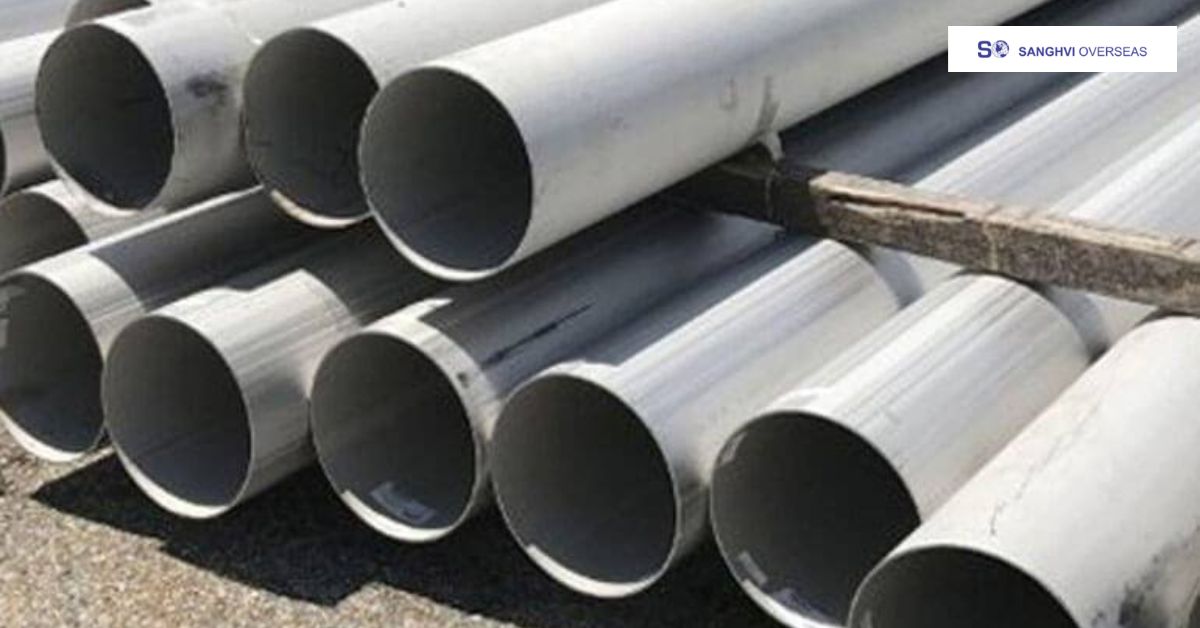
Desalination plants purify seawater to produce fresh water for cities, industry, and agriculture. These systems operate in severe environments. Seawater contains a high concentration of salt and chlorides, which attack most metals. The process also requires high pressure, constant water flow, and extensive operating cycles. Because of these factors, material selection becomes a critical part of plant design. Duplex Steel pipes are widely used in desalination plants because they offer high strength and strong resistance to corrosion caused by seawater. Their structure helps them perform well in pipelines, pumps, and heat transfer systems where reliability is essential. This article explains how desalination plants operate, the challenges inside these systems, and why duplex steel pipes have become the preferred choice for long-term performance in such demanding environments.
What Is a Desalination Plant?
A desalination plant removes salt and minerals from seawater in order to produce clean, fresh water for human consumption. This method benefits regions with water constraints or limited freshwater supplies. Desalination involves two common processes. Reverse osmosis (RO) removes salt from saltwater by forcing it through specific membranes at high pressure. Thermal desalination heats seawater to produce steam, which then condenses into fresh water. Each day, these systems handle significant amounts of seawater. Seawater contains high chloride levels, dissolved salts, and other minerals that attack most metals. These elements create a strong corrosive environment inside pipelines and equipment. Because of this, engineers must choose materials that resist corrosion and remain stable for long periods.
Challenges Faced in Desalination Systems
Desalination plants face several operational challenges that place stress on piping systems. Seawater carries a high level of chlorides, which cause rapid corrosion in many metals. Pipelines are constantly exposed to saltwater during plant operations. In reverse osmosis systems, high-pressure pumps push water through membranes, exerting additional mechanical stress on the pipes. This results in problems such as pitting corrosion, stress corrosion cracking, and an increased risk of damage to metal surfaces. Carbon steel pipes exhibit poor performance in these conditions due to rapid corrosion and consequent loss of strength over time. Consequently, they require regular repairs or replacements, which increases maintenance expenses and results in more plant downtime. Therefore, desalination facilities require more robust, corrosion-resistant materials.
What Are Duplex Steel Pipes?
Duplex steel pipes belong to a special group of stainless steels that combine two metal structures. These structures are called austenitic and ferritic phases. This balanced structure offers duplex steel with both high strength and strong resistance to corrosion. The material performs effectively in conditions with chlorides, salt water and high pressure. Duplex steel pipes maintain their toughness and endurance throughout several years of service. Common grades are duplex 2205 and super duplex 2507. Duplex 2205 is widely used for seawater piping due to its ideal combination of strength and corrosion resistance. Super Duplex 2507 provides enhanced resistance in harsh chloride conditions. These features make duplex steel an effective option for desalination facilities.
Key Properties of Duplex Steel Pipes
Duplex steel pipes provide several key properties that make them suitable for desalination plants. These properties maintain system safety and reduce maintenance needs.
- High resistance to chloride corrosion
Seawater contains large amounts of chloride ions. These ions attack various metals and cause pitting corrosion. Duplex steel pipes resist chloride attack because of their balanced structure. This resistance helps pipelines remain stable during long exposure to seawater.
- Strong resistance to stress corrosion cracking
Stress corrosion cracking can damage stainless steel when stress and chloride exposure occur together. Duplex steel pipes offer better protection against this form of damage. Their structure reduces the risk of sudden pipe failure in high-pressure systems.
- High mechanical strength
Duplex steel pipes have higher strength than many standard stainless steels. This allows them to handle high pressure inside reverse osmosis systems. Strong pipes also allow thinner pipe walls while still maintaining safety.
- Good weldability
Piping systems often require welding during installation and maintenance. Duplex steel pipes weld well when proper procedures are followed. This helps engineers build strong and reliable piping networks in large desalination plants.
- Longer service life
Duplex steel pipes last longer in seawater environments than many traditional metals. The corrosion resistance and strength reduce damage over time. Its long service life reduces the maintenance work and plant operating costs.
Why Duplex Steel Pipes Are Ideal for Desalination Plants
Desalination plants operate in conditions that quickly damage ordinary metals. Duplex steel pipes perform well under these conditions and support long-term system stability.
- Excellent corrosion resistance in seawater
Seawater contains salt, oxygen, and minerals that cause corrosion. Duplex steel pipes can withstand these elements better than many other metals. This helps keep pipe strength and surface quality intact after extended exposure to seawater.
- Ability to handle high-pressure systems
Reverse osmosis desalination systems operate under high pressure. Pipes must carry pressurised water without losing strength. Duplex steel pipes offer high mechanical strength, which supports safe operation in these demanding systems.
- Reduced maintenance and repair needs
Corrosion damage often leads to leaks and pipe failures. Duplex steel pipes reduce this risk due to their corrosion resistance. Lower failure rates help plants reduce maintenance shutdowns and repair costs.
- Long service life in harsh environments
Desalination plants run continuously for many years. Duplex steel pipes maintain their performance over long operating cycles. Their durability helps improve the reliability of plant infrastructure.
- Cost efficiency over the long term
Duplex steel pipes might cost more during installation. However, its lengthy service life and low maintenance requirements balance the cost over time. Many desalination plants use duplex steel for this reason.
Duplex Steel vs Other Materials in Desalination Plants
Different materials are used in desalination systems, but not all perform equally in seawater conditions. Duplex steel pipes often provide a balanced solution.
- Duplex Steel vs Carbon Steel
Carbon steel pipes are both durable and readily available. However, when exposed to seawater or chlorides, it quickly erodes. While protective coatings are important, they must be maintained on a regular basis. Duplex steel pipes are corrosion resistant even when not heavily coated.
- Duplex Steel vs Standard Stainless Steel (304/316)
Standard stainless steels such as 304 and 316 resist corrosion better than carbon steel. Yet they still face problems in high-chloride environments. Pitting and stress corrosion cracking can occur over time. Duplex steel pipes provide stronger protection in seawater systems.
- Duplex Steel vs Super Alloys
Super alloys offer outstanding corrosion resistance and strength. However, they are too costly for large piping systems. Duplex steel pipes offer high corrosion resistance at a reasonable cost, which makes them ideal for large desalination systems.
Applications of Duplex Steel Pipes in Desalination Plants
Duplex steel pipes are used in several critical sections of desalination facilities. Their properties support safe operation in systems exposed to seawater and high pressure.
- Seawater intake pipelines.
Intake pipelines carry large volumes of seawater from the ocean into the plant. These pipelines remain in direct contact with seawater. Duplex steel pipes resist corrosion and maintain strength in this constant exposure.
- High-pressure RO piping systems
Reverse osmosis systems push seawater through membranes at high pressure. Pipes in this area must handle mechanical stress and corrosive conditions. Duplex steel pipes offer the strength and corrosion resistance required for safe operation.
- Brine discharge lines
After desalination, the plant releases concentrated salt water known as brine. This fluid contains extremely high salt content. Duplex steel pipes are resistant to corrosion in these harsh environments.
- Heat exchangers
Thermal desalination plants use heat exchangers to convert seawater into steam. Tubes and pipes in these units face heat and salt exposure. Duplex steel pipes maintain stability under these combined stresses.
- Pump and valve components
Pumps and valves control water flow across the plant. These components experience strong mechanical forces and seawater exposure. Duplex steel provides the strength and corrosion resistance needed for reliable operation.
Desalination plants operate in harsh environments where seawater, high pressure, and salt exposure create serious corrosion risks. Material selection plays a major role in maintaining system safety and reliability. Duplex steel pipes provide a strong solution because they combine high mechanical strength with excellent resistance to chloride corrosion. Their structure helps prevent stress corrosion cracking and extends the service life of piping systems. These benefits make duplex steel ideal for seawater intake lines, reverse osmosis systems, heat exchangers, and discharge pipelines. Duplex steel pipes contribute to steady desalination plant operation and long-term water production by reducing corrosion damage and maintenance requirements.


