
Modern fabrication depends on clean shapes, tight tolerances, and materials that hold up under stress. Stainless steel circles meet these needs with ease. Their use has grown across heavy industry, food processing, and design-driven projects. Fabricators rely on round metal components because they fit well, machine easily, and perform the same way every time. Precision matters here. A small error can affect strength, safety, or final assembly. That is why accurately cut circles have become a standard part of industrial supply chains. In this article, we will describe how stainless steel circles are manufactured, why they work so well, and where they are used. We also discuss crucial benefits, shared standards, and how to select the best supplier. This guide explains why the Stainless Steel Circle remains a popular choice in various industries.
What Is a Stainless Steel Circle?
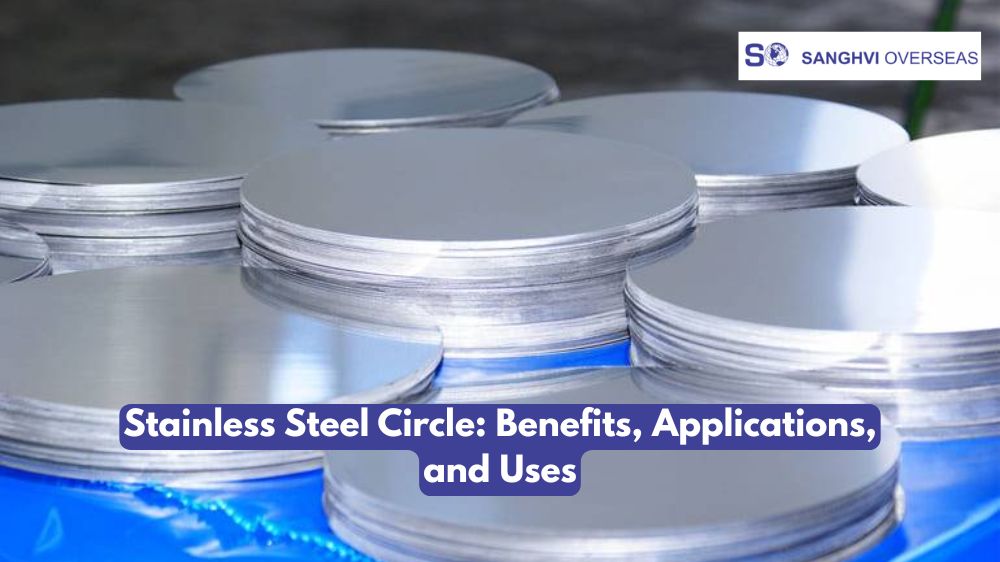
A stainless steel circle is a round, flat metal blank manufactured from premium stainless steel plates or sheets. Different grades, such as 304, 316, and 430, are used by manufacturers to meet various environmental standards. Manufacturers use water-jet cutting for large products, laser cutting for fine detail, and plasma cutting for high-speed manufacturing to get an exact round form. These techniques ensure the dimensional accuracy and clean edge of every product. The final product features a clean surface finish, ranging from a dull matte to a bright mirror polish. As they are pre-cut to size, they save fabricators the time and waste associated with cutting circles from square sheets manually.
Key Properties of Stainless Steel Circles
Stainless steel is favored because it handles tough environments without failing. Here are the core properties that make these circles so reliable:
- High strength and durability: These circles can support heavy loads and resist mechanical wear. The metal stays tough even when used in high-impact industrial settings or structural builds.
- Excellent corrosion and oxidation resistance: The chromium content forms a protective layer that stops rust. This allows the metal to stay clean in wet, salty, or chemically harsh conditions.
- Smooth surface and good machinability: The material is easy to drill, weld, or form into deeper shapes. A smooth finish also makes it easier to clean and maintain over time.
- Ability to withstand heat and pressure: Stainless steel does not warp or weaken easily, when temperatures increase. It is a top choice for parts that must hold their shape under intense pressure.
Benefits of Using Stainless Steel Circles
Using pre-cut circles increases the products quality in addition to providing simplicity.
- Long service life: Items made from these circles last for decades. They do not need frequent replacement, which saves money, and resources in the long run.
- Minimal maintenance: There is no need to paint or coat the surface to prevent decay. A simple cleaning is usually enough to keep the metal looking, and performing like new.
- Precision and consistency in fabrication: Using a Stainless Steel Circle ensures that every part in a production run is identical. This consistency leads to fewer errors during the assembly phase.
- Cost-effective material choice: While the initial price might be higher than plastic or wood, the durability pays off. You get a high return on investment through reduced scrap and lower labour costs.
Manufacturing Standards and Specifications
Stainless steel circles are produced under strict global standards to ensure quality and safety. ASTM and ASME standards define chemical composition and mechanical strength. EN standards guide European compliance for size and tolerance. Circles are supplied in a wide range of thicknesses and diameters, with tight tolerance limits. Heat treatment may be applied to improve strength or formability. Surface finishes include pickled, polished, or brushed options. Buying from a certified Stainless Steel Circle manufacturer ensures proper testing, traceability, and a consistent supply. Certification confirms that each batch meets stated performance requirements.
Industrial Applications of Stainless Steel Circles
Because they are so versatile, you can find these circles in almost every sector of the economy.
- Pressure vessels and tank fabrication: They are often used as end caps or lids for industrial containers. Their ability to hold pressure makes them vital for safety in storage systems.
- Automotive and aerospace components: Engines and exhaust systems require parts that handle heat and vibration. These circles are formed into seals, flanges, and decorative trim for cars and planes.
- Kitchen equipment and cookware: Most high-end pots, pans, and bowls start as a simple metal circle. The material is food-safe and does not react with acidic ingredients.
- Chemical and pharmaceutical processing: Hygiene is a priority in these fields. Stainless steel surfaces prevent bacterial growth and resist damage from harsh cleaning chemicals.
- Architectural and decorative use: Architects use polished circles for signage, wall accents, and furniture. They provide a modern, sleek look that stays shiny without constant polishing.
How to Choose the Right Stainless Steel Circle Suppliers
Choosing the right supplier affects product quality and delivery time. Always check material certificates and test reports. These confirm the grade and composition. Review cutting accuracy and quality control methods. Consistent size reduces rework later. Stock range matters too. A reliable supplier offers both conventional sizes and custom cutting. Clear communication helps to manage lead times and volume requirements. Working with reputable stainless steel circle suppliers ensures consistent quality, accurate documentation, and trustworthy assistance throughout projects.
Stainless Steel Circle vs Other Materials
Choosing the right metal requires balancing performance against cost and weight.
- Comparison with carbon steel and aluminum: Carbon steel is cheaper than aluminum, but it rusts quickly if not coated. Aluminum is lighter, but does not have the great strength and heat resistance of stainless steel.
- Corrosion resistance: Stainless steel wins easily in this category. It doesn’t need extra layers of paint or galvanization to stay rust-free in the rain or near the ocean.
- Strength and weight: Stainless steel has a high strength to weight ratio. A small circle of stainless steel can commonly replace a thicker portion of a weaker metal.
- Cost vs performance: While the initial cost is higher, the lack of repairs makes it the better option. Consumers spend less on replacements over the product’s lifetime.
Conclusion
Stainless steel circles offer strength, accuracy, and long service life. They support many industries, from heavy fabrication to food processing. The right grade and size improve safety and performance. Precision cutting reduces waste and increases productivity. Quality is essential at each step, from material selection to the final finish. Working with reliable sources ensures reliable results. Source high-quality stainless steel circles from a reputable manufacturer and supplier to ensure consistent performance and long-term value in every project.


